
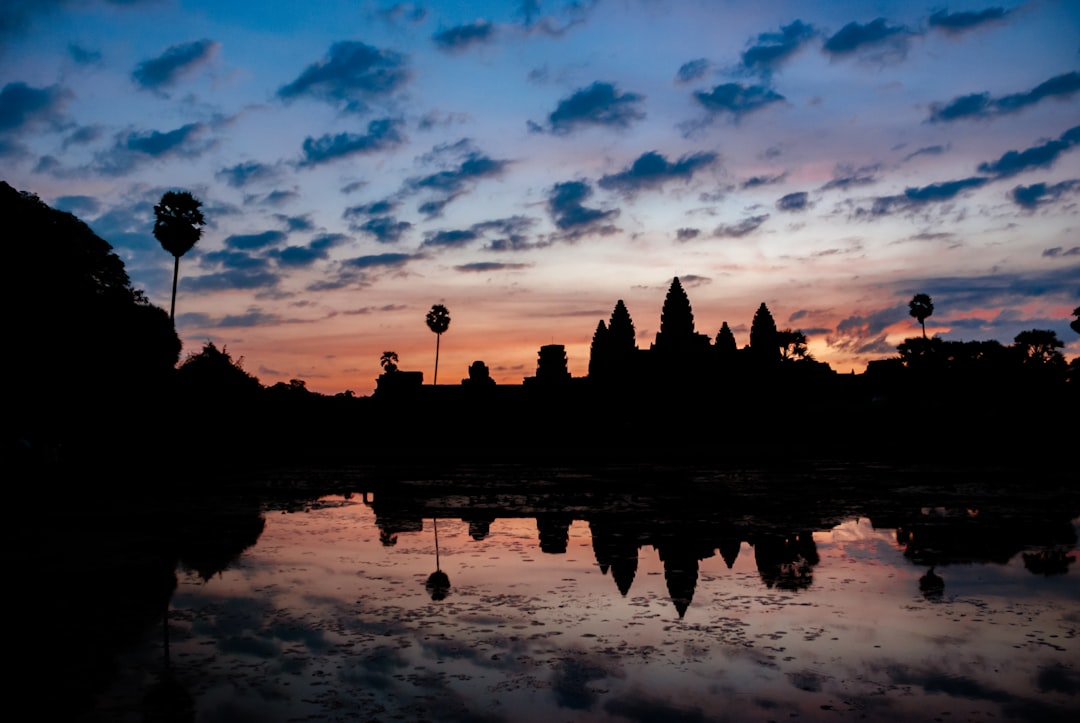
Angkor Wat is one of those rare places where timing changes everything. The same temple can feel hushed and golden at dawn, intense and crowded by late morning, or atmospheric and reflective under rain-darkened skies. A thoughtful Siem Reap Tour Guide understands that the best visit is not only about which temples to see, but also about when to see them. Weather, light, crowd patterns, and your own travel style all shape the experience, and choosing the right season can turn a beautiful trip into a memorable one.
Understanding Angkor Wat’s seasons
There is no single perfect month for every traveler. Angkor Wat sits within a tropical climate, and each part of the year offers a different balance of comfort, scenery, and atmosphere. Some visitors prioritize cooler mornings and easy walking conditions. Others care more about greenery, fewer people, or dramatic skies for photography. Knowing the basic rhythm of the seasons helps you decide what matters most.
| Season | Typical Period | What to Expect | Best For |
|---|---|---|---|
| Cool dry season | November to February | More comfortable temperatures, clearer skies, popular travel period | First-time visitors, sunrise trips, longer temple days |
| Hot dry season | March to May | Intense heat, bright light, earlier starts become essential | Travelers who do not mind heat and want drier conditions |
| Green season | June to October | Rain showers, lush landscapes, softer light, fewer crowds at times | Photographers, repeat visitors, travelers seeking atmosphere |
The best time to visit Angkor Wat depends on whether you value comfort, scenery, or quieter temple routes. In practical terms, the most broadly appealing window is usually the cool dry season, but the so-called off-season can be surprisingly rewarding for the right traveler.
November to February: the best overall time for most visitors
If you want the most balanced conditions, this is the strongest period to visit. Mornings are generally more comfortable, walking between temple complexes is easier, and the clearer skies often make sunrise visits especially satisfying. For many travelers, this is when Angkor Wat looks most like the vision they imagined: warm early light, manageable humidity, and long sightseeing days that do not feel punishing.
This is also the season when a sunrise visit is easiest to enjoy. Arriving before dawn, waiting near the reflecting pools, and then moving on to other temples such as Bayon or Ta Prohm feels far more pleasant when the early hours are cool. The downside, of course, is popularity. Well-known viewing points can become crowded, and the main temple routes can feel busy by mid-morning.
That does not mean you should avoid this period. It simply means strategy matters. A good plan often includes an early start, a break during the hottest and busiest part of the day, and a second round of temple visits later in the afternoon. Visitors who want the best chance of comfortable sightseeing, especially on a first trip, are usually happiest during these months.
March to October: heat, rain, and the seasons many travelers overlook
The months outside the cool dry season are often dismissed too quickly, yet they can offer some of the most distinctive experiences at Angkor. The key is knowing what trade-offs to accept.
March to May: for early risers who can handle the heat
Late dry season brings strong sunlight and rising temperatures. By late morning and early afternoon, temple visits can become tiring, especially if you plan to climb steps, explore outer galleries, or move between several large sites in one day. Still, for travelers willing to begin very early and rest in the middle of the day, this season can work well. The light can be sharp and dramatic, and rain is less likely to interrupt your route.
This period suits travelers who prefer structure. A dawn start, a focused morning itinerary, lunch and rest, then a short evening outing often works better than trying to pack everything into one long continuous day.
June to October: lush landscapes and a more atmospheric Angkor
The green season transforms the wider Angkor area. Moats, ponds, and surrounding greenery often feel fuller and richer, and the temple stones can take on deeper tones under softer skies. Rain showers are part of the rhythm, but they do not necessarily ruin a visit. In many cases, showers arrive in bursts rather than lasting all day, and the dramatic cloud cover can create striking mood and texture.
This season often appeals to photographers and returning visitors who want Angkor to feel less exposed and more cinematic. Paths can be wetter, and some visits require more flexibility, but the rewards are real: a fresher landscape, gentler light, and a quieter feeling in parts of the complex at certain times.
How to choose the best time for your travel style
Rather than asking for the single best month, it is often smarter to match the season to the kind of trip you want. Angkor Wat rewards visitors who travel with intention.
- Choose November to February if this is your first visit and you want the easiest overall conditions.
- Choose March to May if you are comfortable with heat and can commit to very early starts.
- Choose June to October if you prefer greener scenery, softer light, and a more atmospheric setting.
- Prioritize sunrise carefully if it matters to you. It is iconic, but not every traveler enjoys the earliest wake-up and the busiest viewpoints.
- Build in rest time regardless of season. Angkor is best experienced at a measured pace, not as a race.
It also helps to think beyond Angkor Wat itself. The wider archaeological park includes temples that feel very different depending on weather and time of day. A thoughtful itinerary might place the most exposed sites early, save shaded areas for later, and avoid the most crowded sequence altogether. This is where timing becomes as valuable as ticket planning.
Planning your visit with Siem Reap Tour Guide
For travelers who want to go beyond a generic route, local guidance can make the visit noticeably smoother. Siem Reap Tour Guide: Customized Tours In Angkor Wat Cambodia is especially useful for travelers who want a day structured around personal priorities, whether that means sunrise, photography, family pacing, quieter temple stops, or a deeper focus on history. When the weather is hot, that can mean building a route around shade and shorter walking intervals. When the skies are wet, it can mean shifting the order of sites for better comfort and views.
Many visitors find it helpful to plan their trip with Siem Reap Tour Guide, particularly when they want a more flexible schedule that responds to seasonal conditions instead of following a fixed template.
In the end, the best time to visit Angkor Wat is the time that aligns with how you like to travel. If you want cooler air and classic conditions, aim for the dry season. If you want mood, greenery, and a more atmospheric landscape, the rainy months may surprise you. If you can tolerate heat, the hotter months still reward disciplined early starts. What matters most is not chasing a perfect month, but understanding what each season gives you.
Seen at the right pace and in the right light, Angkor Wat leaves a lasting impression that goes far beyond its famous silhouette. A skilled Siem Reap Tour Guide helps turn timing into part of the experience itself, so your visit feels not only well organized, but genuinely memorable.
For more information on Siem Reap Tour Guide contact us anytime:
Siem Reap Tour Guide
https://www.siemreapguide.com/
+855 12 519 719
Tolaka Street, Siem Reap Angkor Wat Cambodia 17256
Uncover the hidden gems of Siem Reap travel with siemreapguide.com. From ancient Angkor temples to vibrant markets, we’ll show you the best places to eat, explore, and experience the rich culture of this beautiful city in Cambodia. Stay tuned for insider tips and must-see attractions to make the most of your Siem Reap adventure.


